
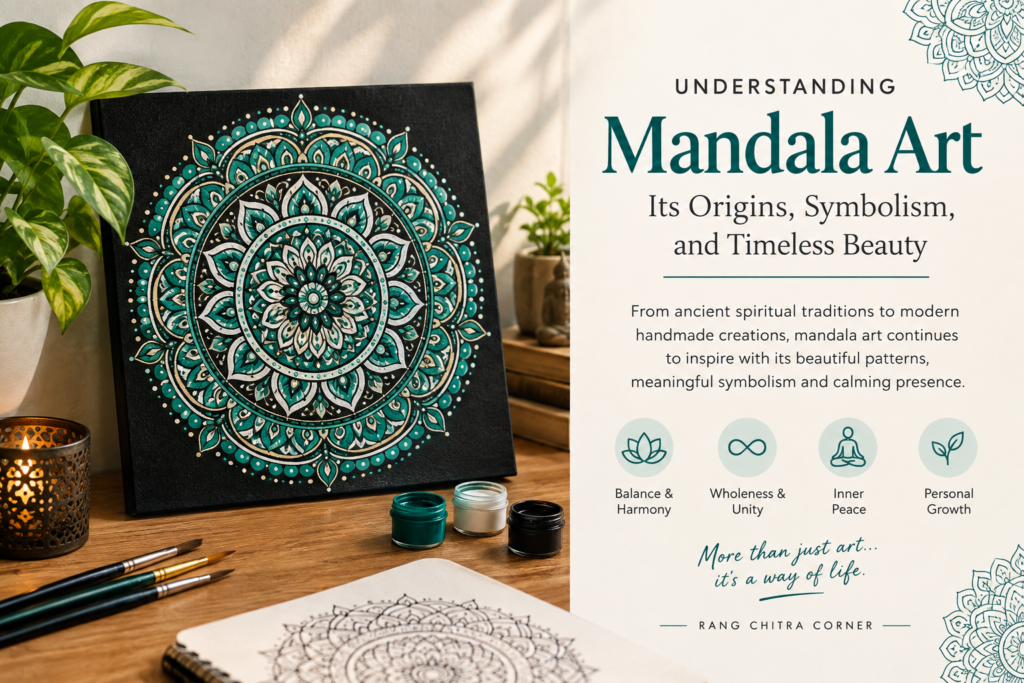
Mandala art is one of the most fascinating forms of artistic expression, known for its detailed patterns, balanced designs, and meaningful symbolism. The word “mandala” comes from an ancient Sanskrit term that broadly means “circle.” However, mandalas represent much more than a simple geometric shape. They are often associated with harmony, balance, spirituality, and the connection between the inner and outer world.
Today, mandala art has become popular among artists, art lovers, and people looking for meaningful ways to decorate their homes. From traditional spiritual designs to modern handmade creations, mandalas continue to inspire people across different cultures and generations.
The Origins of Mandala Art
The history of mandala art can be traced back thousands of years, particularly to the spiritual traditions of Hinduism and Buddhism. Mandala like patterns have been used as visual representations of the universe, spiritual ideas, and the journey toward inner awareness.
In Hindu traditions, circular patterns and geometric designs have been incorporated into religious practices, temple architecture, meditation, and spiritual artwork. In Buddhism, mandalas became important tools for meditation and visualization. Tibetan Buddhist mandalas, for example, often contain highly detailed geometric arrangements representing different aspects of the spiritual universe.
Although mandalas have strong connections with South Asian traditions, similar circular patterns can be found in various cultures around the world. Their universal appeal may come from the natural sense of balance and completeness created by circular forms.
What Does a Mandala Symbolize?
One of the most beautiful aspects of mandala art is its symbolism. While the meaning can vary depending on the design and cultural context, several ideas are commonly associated with mandalas.
Balance and Harmony
The symmetrical structure of a mandala creates a visual sense of balance. Repeated shapes, lines, and patterns work together to form a unified composition. This balance can also represent harmony in life and the importance of finding stability between different aspects of ourselves.
Wholeness and Unity
Because a circle has no obvious beginning or ending, it is often associated with completeness and infinity. A mandala can therefore symbolize the idea that everything is connected and that different parts can come together to form one complete whole.
Inner Peace
Creating or viewing a mandala can encourage a calm and focused state of mind. The repetition involved in drawing intricate patterns allows the artist to concentrate on individual details while gradually developing the complete design.
For many people, making mandala art becomes a relaxing creative activity that provides a break from busy routines.
Personal Growth
A mandala can also represent a journey toward self discovery. The central point may symbolize the inner self, while the patterns expanding outward can represent experiences, relationships, emotions, and the surrounding world.
The Beauty of Geometric Patterns
Mandala art is particularly recognizable because of its use of geometric shapes and repetition. Circles, triangles, petals, dots, curves, lines, and symmetrical motifs are commonly combined to create elaborate designs.
The artist usually begins with a central point and gradually builds layers around it. Each layer contributes to the overall balance of the artwork. Even a simple pattern can become visually striking when repeated carefully around the center.
This combination of creativity and structure makes mandala art suitable for both beginners and experienced artists. Beginners can start with basic circles and repeated patterns, while experienced artists can experiment with more detailed compositions and unique designs.
Mandala Art in Modern Home Decor
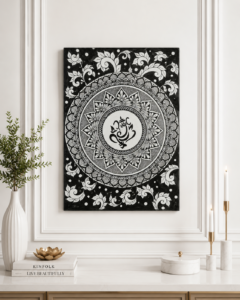
Although mandalas have ancient roots, they have found a natural place in modern interior decor. Handmade mandala paintings can add personality and artistic character to bedrooms, living rooms, workspaces, meditation corners, and creative studios.
People who are searching for decorative wall art in delhi can explore mandala-inspired artwork as an option for creating a distinctive visual element in their interiors. Unlike mass-produced decor, handmade mandalas can bring a personal and artistic touch to a space.
The choice of colors can also influence the mood of a mandala. Soft shades may create a peaceful atmosphere, while bold colors can make the artwork stand out as a statement piece.
Why Handmade Mandala Art Feels Special
Every handmade mandala carries the time, patience, and creativity of the person who created it. Unlike digitally generated patterns, hand drawn artwork can contain small variations that make each piece unique.
The process itself is also an important part of the experience. Drawing one pattern after another requires concentration and patience. For many artists, this repetitive process becomes a creative form of relaxation.
This is one reason mandala art continues to attract people who enjoy creating something slowly and thoughtfully in an increasingly digital world.
How to Appreciate Mandala Art
You do not need to understand every historical or spiritual meaning to appreciate a mandala. Sometimes its beauty lies simply in the patterns, symmetry, colors, and craftsmanship.
When choosing a mandala for your home, consider the colors, size, surrounding décor, and overall mood you want to create. A carefully selected artwork can become a focal point while also complementing the rest of the room.
For those interested in handmade creations, decorative wall art in delhi can include a variety of artistic styles, with mandala artwork offering a combination of traditional inspiration and contemporary creativity.
The Timeless Appeal of Mandala Art
Mandalas have survived across centuries because their appeal goes beyond a particular artistic trend. Their circular forms, symmetry, repetition, and symbolism continue to connect with people on both artistic and emotional levels.
From ancient spiritual practices to modern handmade paintings, mandala art has evolved while maintaining its core visual identity. It can be a form of meditation, a creative hobby, a meaningful gift, or simply a beautiful piece of artwork.
For anyone interested in exploring handmade paintings and creative decor, RangChitraCorner offers an opportunity to discover the charm of artistic creations inspired by creativity, tradition, and personal expression.
Ultimately, the timeless beauty of mandala art comes from its ability to bring together structure and creativity. Every circle, pattern, and detail contributes to a larger picture reminding us that beauty can often be found in balance, patience, and the simple act of creating something with our own hands.
Do Visit : https://rangchitracorner.com/custom-decorative-wall-art-in-delhi-where-to-order-unique-pieces/