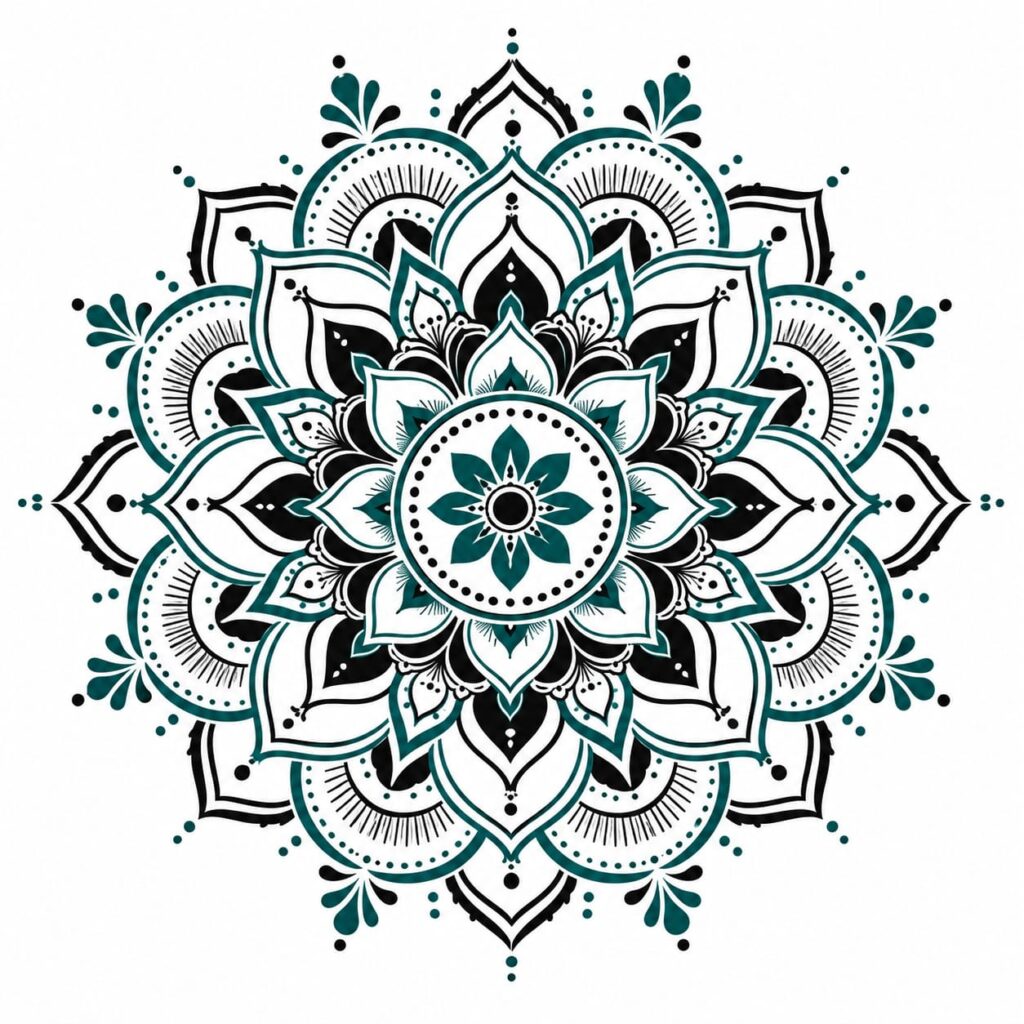
Mandala art is a timeless form of creative expression that combines intricate patterns, symmetry, and spiritual symbolism. The word “mandala” comes from ancient Sanskrit, meaning “circle,” and it represents wholeness, balance, and harmony. Traditionally used in spiritual practices, mandalas were created as tools for meditation and focusing the mind, helping individuals connect with inner peace and higher awareness.
Over time, mandala art has evolved beyond its spiritual roots and become a popular form of modern decoration and artistic creativity. Today, artists experiment with different styles such as geometric mandalas, floral mandalas, watercolor mandalas, and contemporary abstract versions. Each design reflects a unique rhythm and flow, often drawing inspiration from nature, emotions, and cultural patterns.
One of the most beautiful aspects of mandala art is its therapeutic quality. Creating or even observing mandalas can reduce stress, improve concentration, and promote mindfulness. The repetitive patterns encourage relaxation and allow the mind to enter a calm, meditative state. Because of this, mandala coloring and painting are often used in art therapy and wellness practices.
Mandala art also holds deep cultural significance. In Hinduism and Buddhism, mandalas are used in rituals, temples, and sacred spaces to represent the universe and spiritual journey. Each layer of a mandala often symbolizes different stages of life or consciousness, making it not just visually appealing but also deeply meaningful.
In modern interiors, mandala paintings have become a popular choice for home decor. They bring a sense of balance and positivity to living rooms, bedrooms, and meditation corners. Whether handpainted or digitally created, mandala art adds elegance and a calming energy to any space.
Ultimately, mandala art is more than just decoration it is a blend of creativity, spirituality, and mindfulness. It invites us to slow down, focus inward, and appreciate the beauty of patterns that reflect both the universe and our inner selves.